
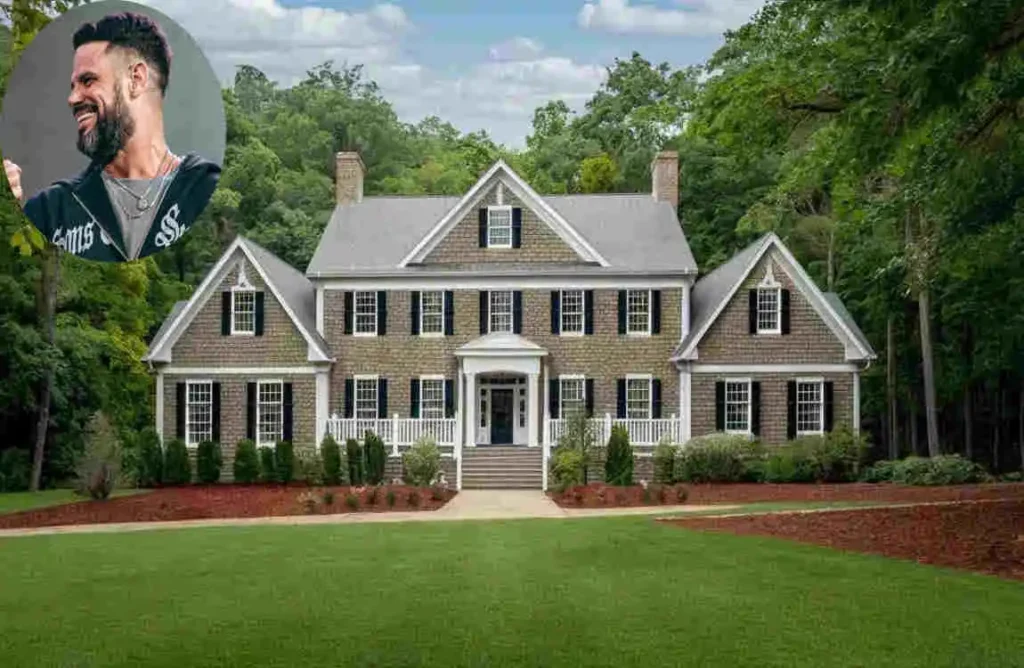
The private residences of prominent spiritual leaders often become subjects of public curiosity, reflecting a blend of personal faith, public ministry, and cultural commentary. Among these, the Steven Furtick house stands as a particularly notable point of discussion and scrutiny. Pastor Steven Furtick, founder and lead pastor of the multi-campus Elevation Church based in Charlotte, North Carolina, has seen details of his family home become intertwined with his public persona. An examination of the Steven Furtick house necessitates a look beyond mere real estate metrics, delving into its location, the controversies surrounding its size and procurement, its distinct architectural style, and what it reflects about a modern, media-driven ministry lifestyle. This overview seeks to provide a comprehensive picture of this widely discussed property.
The Location: Privacy and Proximity in Waxhaw
The Steven Furtick house is situated not in Charlotte proper, but in the affluent suburban town of Waxhaw, North Carolina. Waxhaw, known for its historic downtown, top-rated schools, and spacious properties, offers a blend of pastoral serenity and convenient access to the Charlotte metropolitan area. This location is strategic. For a pastor whose every public appearance draws attention, Waxhaw provides a degree of remove and privacy for his family, while remaining close enough to the pulse of Elevation Church’s operations. The choice of Waxhaw aligns with a pattern seen among other high-profile individuals in the region, seeking communities that offer expansive land and a shield from the constant gaze of the public and media. The setting of the Steven Furtick house, therefore, is a deliberate selection balancing family sanctuary with ministerial accessibility.
The Scale and Sourcing: A Point of Public Debate
Any discussion about the Steven Furtick house inevitably centers on its sheer scale. The property, often described as a mansion, is reported to encompass approximately 16,000 square feet. It sits on a large, multi-acre lot, featuring extensive landscaping, a swimming pool, and other amenities befitting a luxury estate. The scale became a significant public relations moment for Furtick and Elevation Church when it was scrutinized following a 2013 report.
The central controversy was not solely the size but the method of its procurement. Reports revealed that the house was built for the Furtick family through a complex arrangement involving a corporate entity owned by a wealthy church member and benefactor. The property was then made available to the pastor through a long-term lease agreement with an option to buy. Furtick defended the arrangement, stating he and his wife never asked for the house and that it was provided independently of church funds, with the benefactor’s intent to be a blessing. Critics, however, questioned the ethics and optics, arguing it created a potential conflict of interest and raised questions about the perceived lavishness of a pastor’s lifestyle relative to the congregation’s giving. This episode forced a broader conversation within modern evangelical circles about pastoral compensation, transparency, and the optics of wealth.
Architectural Style: Modern Farmhouse Elegance
Architecturally, the Steven Furtick house departs from the traditional Georgian or Colonial styles often associated with Southern grandeur. Instead, it embraces a distinctly contemporary “Modern Farmhouse” aesthetic. This style, popularized in recent years, combines clean lines, large glass windows, and metal accents with traditional elements like board-and-batten siding, gabled roofs, and expansive porches. The likely result is a home that feels both sleek and inviting, new yet familiar.
The architectural choice is telling. The Modern Farmhouse style is inherently media-friendly and relatable, often featured in popular design magazines and television shows. Its aesthetic aligns with a modern, approachable brand—one that Furtick himself cultivates through his dynamic, culturally engaged preaching style. The home’s design suggests a preference for a lifestyle that is both luxurious and ostensibly down-to-earth, a physical structure mirroring the bridge Furtick attempts to build between biblical teaching and contemporary culture. The architecture of the Steven Furtick house, therefore, is not incidental; it is a material expression of a particular kind of modern ministry identity.
A Lens on the Modern Ministry Lifestyle
The existence and nature of the Steven Furtick house serve as a powerful lens through which to examine the realities of a modern, mega-church ministry lifestyle. This lifestyle is a complex amalgam. It involves immense pressure and a 24/7 public role, justifying a need for private family space and security. Simultaneously, it exists within an ecosystem where ministry success is often tangibly manifested—in church attendance, global reach through online platforms, bestselling books, and, controversially, in material blessings.
Furtick’s lifestyle, symbolized by his home, is frequently cited in debates about the “prosperity gospel” or the “health and wealth” theology. While Furtick’s preaching is more nuanced than classic prosperity teaching, emphasizing passion and purpose, the trappings of success surrounding him, including his residence, lead many to draw comparisons. It highlights the tension many modern evangelicals navigate: celebrating God’s blessings while wrestling with the scriptural calls to modesty and the stark teachings of Jesus on wealth. The lifestyle visible from the outside of the Steven Furtick house is one of modern celebrity-pastorship, where spiritual leadership, personal branding, business acumen, and family life are inextricably and publicly intertwined.
Conclusion: More Than a Dwelling
In conclusion, the Steven Furtick house is far more than a pastoral residence. It is a geographic choice for privacy, a flashpoint for ethical debates on church and finances, an architectural statement of modern relevance, and a symbol of the multifaceted, often scrutinized life of a 21st-century celebrity pastor. The discussions it sparks touch on deeper issues within American Christianity: transparency in church governance, the personal ethics of spiritual leaders, the perception of wealth in ministry, and the evolving model of pastoral influence in a digital age. While the property itself is a private home, its story is irrevocably public, serving as a permanent fixture in the narrative of Steven Furtick’s ministry. Ultimately, the legacy of the Steven Furtick house will be measured not in square footage, but in the ongoing conversations it generates about faith, fortune, and the delicate balance of leading a spiritual community in the modern world.