
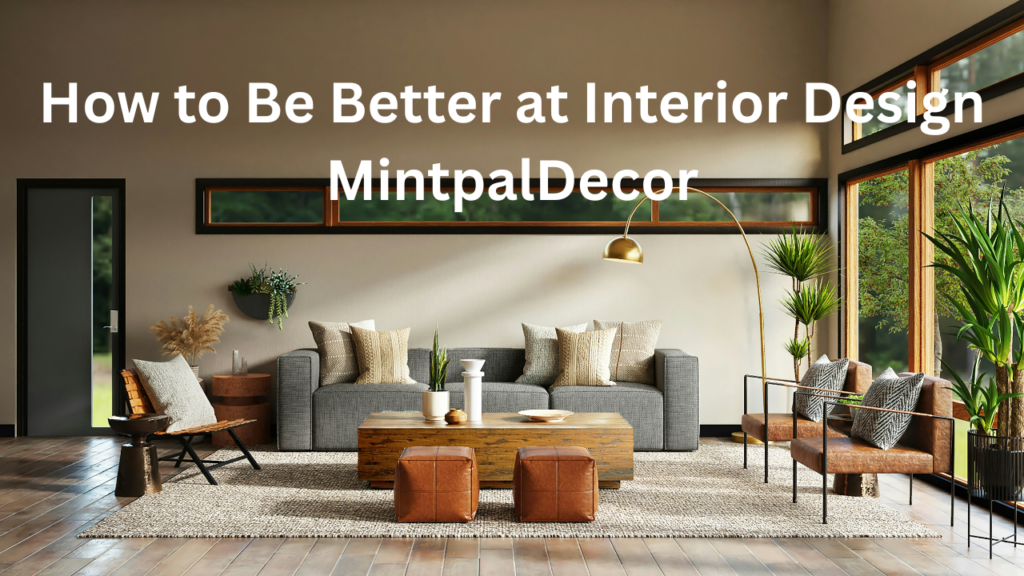
Introduction to interior design and its importance
Welcome to the vibrant world of interior design, where every corner of your home can reflect your unique personality and style. Whether you’re redesigning a cozy nook or giving your entire space a facelift, understanding the principles of interior design is essential. It’s not just about aesthetics; it’s about creating an environment that enhances your lifestyle and wellbeing. Good interior design transforms ordinary spaces into extraordinary ones. It’s about more than just choosing pretty colors or trendy furniture; it’s about forging connections between people and their spaces. From maximizing functionality to encouraging relaxation, each decision you make plays a significant role in how you experience your home.
If you’ve ever felt overwhelmed by choices or uncertain about where to start, fret not! This guide will provide you with practical insights on how to be better at interior design through MintpalDecor’s expert tips and tricks. Let’s dive in and unlock the potential hidden within those four walls!
Understanding the basics of interior design
Interior design is more than just arranging furniture. It’s an art and a science that enhances the functionality and aesthetics of a space. At its core, understanding interior design begins with recognizing three fundamental elements: space, line, and form. Space defines your area; it can be open or closed but must flow well.
Lines are crucial as they create visual pathways in your home. They can be horizontal, vertical, or dynamic—each influencing how we perceive our surroundings. Then there’s form the shape of objects within the room. This encompasses both 3D structures like furniture and decorative items. Balance plays a vital role too. A harmonious blend of these components leads to an inviting atmosphere where practicality meets style. Knowing these basics provides you with a solid foundation for creating beautiful interiors tailored to your taste at MintpalDecor.
The role of color, lighting, and texture in interior design
Color, lighting, and texture are the trio that transforms a space from ordinary to extraordinary. Each element plays a vital role in setting the mood and atmosphere of your home. Color is often the first thing that catches our eye. It can evoke emotions, create focal points, or even make a space feel larger or cozier. Choosing the right palette can harmonize different areas while reflecting your personal style.
Lighting adds depth and dimension. Natural light brings warmth during the day, while strategic artificial lighting enhances architectural features at night. Layering different light sources creates an inviting ambiance. Texture adds interest and contrast to your design scheme. Mixing materials like smooth glass with rough wood or soft fabrics can enhance tactile experiences within a room. This interplay invites touch and encourages exploration in any space you curate.
Utilizing different styles and themes in your space
Exploring various styles and themes can breathe new life into your space. Whether you lean towards minimalism, bohemian aesthetics, or mid-century modern vibes, each style tells a story. Start by identifying what resonates with you. Collect inspiration from magazines or Pinterest boards to create a vision board that reflects your tastes. Mixing elements from different styles can yield stunning results. For instance, pairing contemporary furniture with vintage accessories adds character and depth.
Don’t shy away from bold themes either. A coastal theme can bring relaxation while an industrial look offers edginess. Consider how each piece contributes to the overall atmosphere of the room. Balance is key; too many conflicting styles may overwhelm rather than enhance your space. Remember, it’s about creating an environment where you feel at home and inspired every day.
Incorporating functionality and practicality into your design
When designing a space, functionality should be at the forefront of your mind. Every piece you choose should serve a purpose. Think about how you’ll move through the area and what activities will take place there. Consider multi-functional furniture. A stylish ottoman can double as storage or extra seating when guests arrive. Look for tables that expand or chairs that fold away to save space without compromising style.
Use zoning techniques to create distinct areas within an open layout. This helps define spaces for work, relaxation, and dining while keeping everything cohesive. Always remember that practicality doesn’t mean sacrificing aesthetics. Choose durable materials that can withstand daily wear and tear but still complement your design vision beautifully. Thoughtful planning ensures your home feels inviting while being immensely livable—creating harmony between form and function in every room is key.
Budget-friendly tips for decorating your home
Decorating your home doesn’t have to drain your wallet. Start by shopping at thrift stores or garage sales. You can find unique pieces that add character without the hefty price tag. Consider DIY projects for a personal touch. Simple tasks like painting an old piece of furniture can transform its look entirely. Plus, it’s fun and rewarding. Mix and match textures using inexpensive materials like fabric or paper to create stunning focal points. A well-placed throw pillow or an artistic wall hanging can enhance any room.
Don’t forget about plants; they breathe life into spaces! Look for budget-friendly indoor plants that require minimal maintenance. Swap decor items with friends or family members. This keeps your space fresh and exciting while being cost-effective. Embrace creativity without breaking the bank!
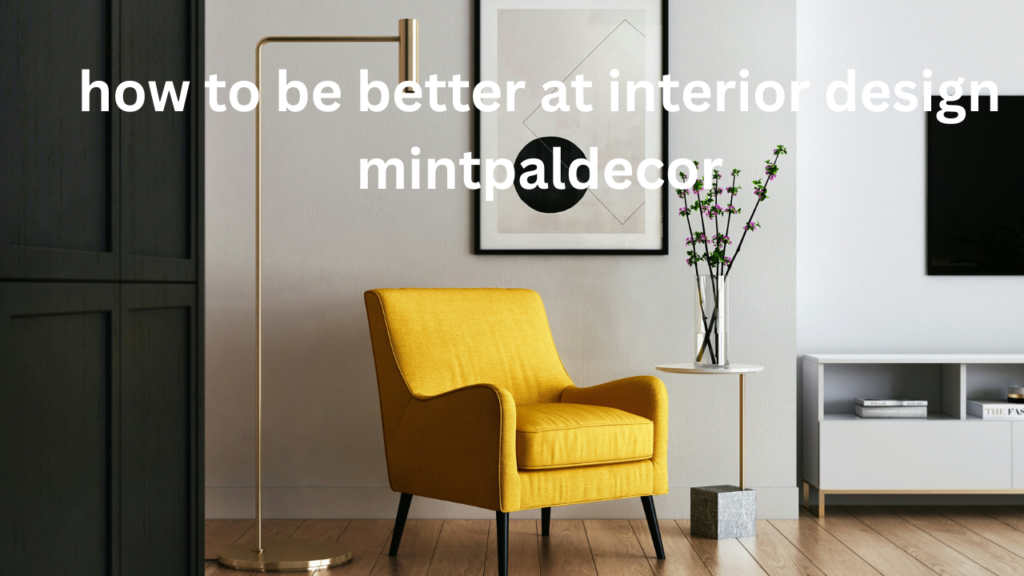
Common mistakes to avoid in interior design
One of the biggest mistakes people make in interior design is neglecting scale and proportion. A massive sofa can overwhelm a small room, while tiny furniture can get lost in a spacious area. Always measure your space before purchasing pieces. Another common pitfall is ignoring lighting. Relying solely on overhead fixtures often leaves rooms feeling flat. Layered lighting—combining ambient, task, and accent lights—creates warmth and depth.
Choosing trends over personal style can also lead to regret. What’s trendy today may feel outdated tomorrow. Instead, focus on what resonates with you for timeless appeal. Many overlook the importance of flow within spaces. Ensure that there’s an easy transition between rooms or areas to enhance both functionality and comfort throughout your home.
The impact of decluttering on your space’s aesthetic
Decluttering can dramatically transform your space. When you remove unnecessary items, the room feels larger and more inviting. This openness allows other design elements to shine. A clean environment also enhances focus. You can appreciate colors, textures, and shapes without distractions. Each piece in the room becomes more purposeful. Moreover, decluttering promotes a sense of calm. A tidy area reduces stress and creates a peaceful atmosphere for relaxation or productivity.
Textures become more pronounced when clutter is minimized. Whether it’s a cozy blanket on a chic sofa or an elegant vase on a polished table, these details matter. By simplifying your surroundings, you create opportunities for creativity within your design choices. The aesthetic evolves into something fresh and intentional—a reflection of who you are without overwhelming chaos competing for attention.
Seeking inspiration from other designers or decor blogs
Finding inspiration is a vital step in enhancing your interior design skills. Explore the work of established designers who resonate with your style. Their creativity can spark new ideas and approaches. Decor blogs are treasure troves of inspiration too. They offer fresh perspectives, tips, and trends that can elevate your designs. Take time to browse different blogs; each showcases unique aesthetics and innovative solutions.
Social media platforms serve as excellent resources for visual inspiration. Follow hashtags like #InteriorDesign or #HomeDecor on Instagram to discover countless styles from around the globe. Don’t hesitate to save images or create mood boards based on what you love. This practice helps distill ideas into something personal yet inspired by others’ creativity. Remember, seeking external inspiration doesn’t mean copying. It’s about finding elements that evoke a vision uniquely yours while learning from those who have mastered the art already.
Conclusion
Designing your space is a journey. Each choice reflects your personality and lifestyle. Embracing this creative process can lead to incredible transformations. Exploring various styles allows you to discover what resonates with you. Whether it’s modern minimalism or bohemian charm, each theme tells a story.
Paying attention to color and light enhances the atmosphere of any room. These elements set the mood and create inviting spaces where memories are made. Practicality cannot be overlooked; functionality shapes how we interact with our surroundings daily. Smart storage solutions blend seamlessly into décor while keeping clutter at bay. Seek out inspiration around every corner magazines, social media, or local galleries can spark fresh ideas that invigorate your design approach.