
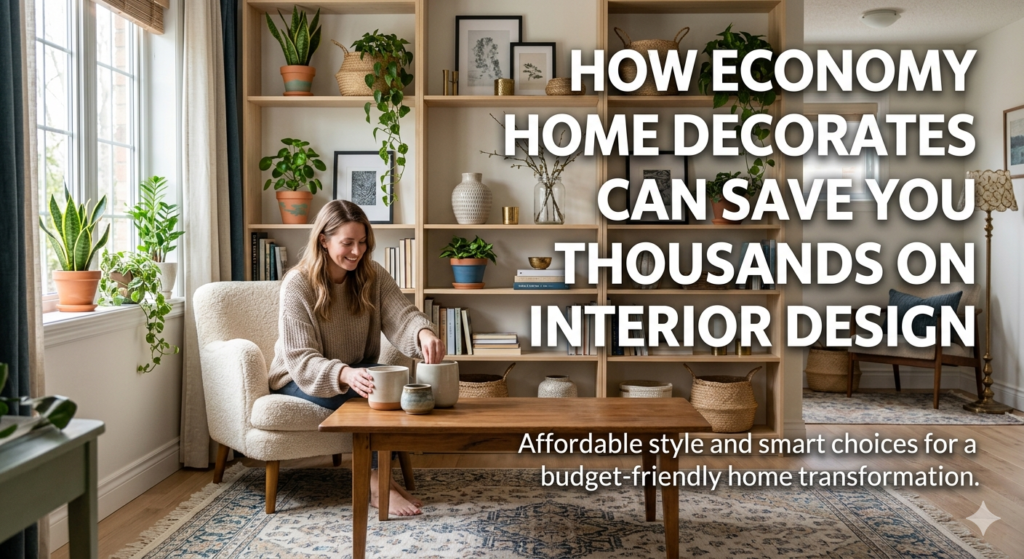
Creating a beautiful home does not always require a luxury budget, expensive furniture, or a professional designer for every decision. Many homeowners believe interior design means spending thousands on premium décor, custom furniture, imported lighting, and full-room renovations. In reality, smart planning and budget-friendly styling can help you create a comfortable, elegant, and modern home without overspending.
The idea behind Economy Home Decorates is simple: use creativity, practical choices, and cost-saving design methods to make your home look stylish while keeping your expenses low. When done correctly, affordable decorating can save you thousands of dollars and still give your space a high-end feel.
Why Economy Home Decorates Is a Smarter Approach to Interior Design
Traditional interior design can become expensive very quickly. Designer consultations, custom pieces, premium materials, and full-room makeovers often come with large costs. While professional design has its place, not every home improvement project needs a big investment.
A smarter approach focuses on improving the look, comfort, and function of your space without replacing everything. This means using what you already have, choosing affordable upgrades, and making changes that create a big visual impact.
For example, painting walls, changing curtains, updating lighting, adding rugs, or rearranging furniture can completely refresh a room at a fraction of the cost. These small but smart changes can make your home feel new without the price of a full renovation.
Start with a Clear Decorating Plan
One of the biggest reasons people waste money on interior design is lack of planning. They buy furniture, décor items, rugs, and wall art without knowing how everything will work together. This leads to mismatched rooms, wasted purchases, and repeated spending.
Before buying anything, create a simple design plan. Decide your colour palette, room purpose, furniture layout, and overall style. Choose whether you want a modern, minimalist, cosy, farmhouse, luxury, or classic look.
A clear plan helps you avoid impulse buying. It also makes it easier to compare prices, find alternatives, and focus only on items that truly improve the space.
Reuse and Refresh What You Already Own
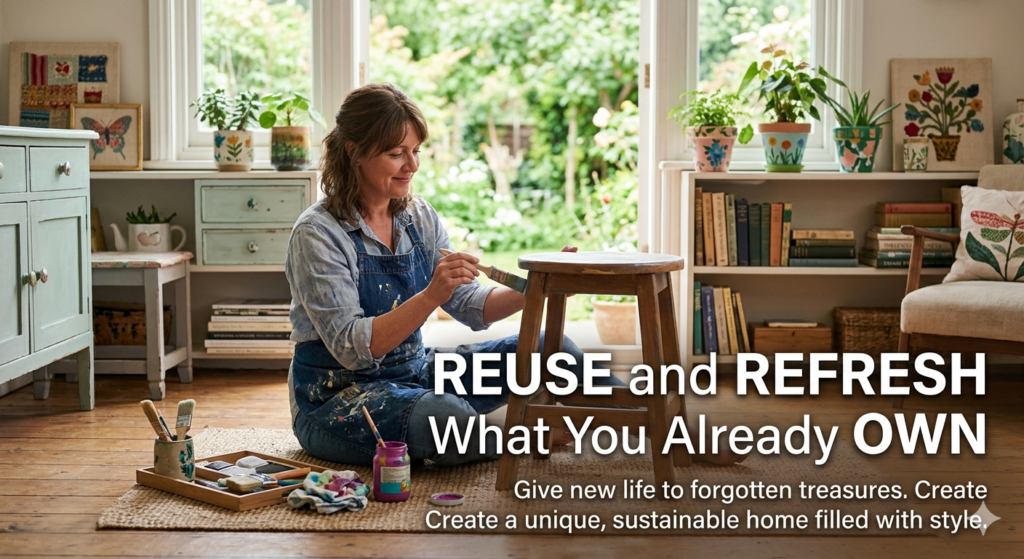
You may already have useful furniture and décor pieces in your home. Instead of replacing everything, look at what can be reused, repainted, repaired, or restyled.
Old wooden tables can be sanded and stained. Plain chairs can be updated with new cushions. Cabinets can look modern with new handles. A sofa can feel fresh with stylish throw pillows and a clean cover.
This method saves a huge amount of money because furniture is often one of the most expensive parts of interior design. By refreshing existing pieces, you reduce waste and keep your budget under control.
Use Paint for a Big Transformation
Paint is one of the most affordable ways to change the look of any room. A fresh coat of paint can make a space feel brighter, cleaner, larger, or more elegant.
Neutral colours such as white, beige, cream, light grey, and soft brown create a timeless base. Accent walls can add personality without making the room feel too busy. Darker shades can create depth and luxury when used carefully.
Instead of investing in costly wall panels or designer wallpaper, paint can deliver a beautiful result for much less. This is one of the easiest ways to save money while still making a strong design statement.
Choose Budget-Friendly Furniture Wisely
Affordable furniture does not have to look cheap. The key is to choose simple, clean, and durable pieces that match your design style.
Look for furniture with neutral colours, strong frames, and practical shapes. Avoid overly trendy items that may go out of style quickly. Timeless furniture gives better value because it can work with different décor styles over time.
You can also explore second-hand furniture, clearance sales, local marketplaces, and discount stores. Many high-quality items are available at lower prices if you take time to search.
With Economy Home Decorates, the focus is not on buying the cheapest item, but on choosing pieces that give the best value for your money.
Upgrade Lighting for a Designer Look
Lighting can completely change the mood of a room. Many homes look dull not because of poor furniture, but because of poor lighting.
You can use floor lamps, table lamps, pendant lights, warm bulbs, and LED strips to create a comfortable atmosphere. Layered lighting makes a room feel more professional and expensive.
Instead of spending thousands on designer lighting, affordable lighting fixtures can create a similar effect. Warm lighting especially helps living rooms, bedrooms, and dining areas feel cosy and elegant.
Add Style with Textiles and Soft Furnishings
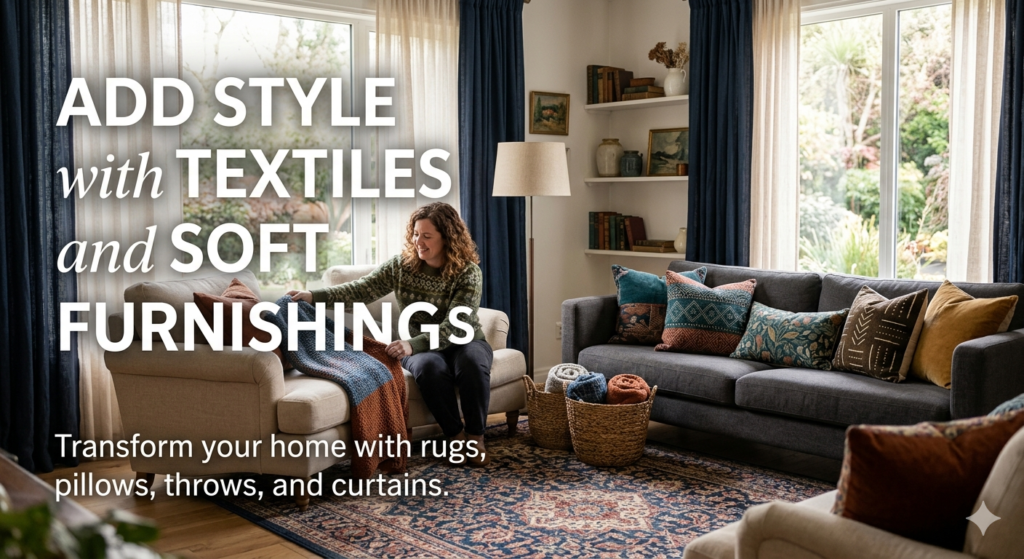
Rugs, curtains, cushions, throws, and bedding are powerful decorating tools. They add colour, texture, warmth, and personality to your home.
A simple sofa can look premium with the right cushions. A plain bedroom can look hotel-inspired with fresh bedding and layered pillows. Curtains can make ceilings appear taller and rooms feel more complete.
These items are usually much cheaper than replacing furniture or renovating walls. By updating textiles, you can refresh your home seasonally without spending too much.
Decorate with Wall Art and Mirrors
Empty walls can make a home feel unfinished. However, expensive artwork is not necessary. You can use printable art, framed photos, canvas prints, DIY wall décor, or affordable gallery walls.
Mirrors are also excellent for budget interior design. They reflect light, make rooms appear larger, and add elegance. A well-placed mirror in a hallway, living room, or bedroom can create a polished look instantly.
This is another area where small spending can deliver a big design impact.
Focus on Decluttering and Organisation
A clean and organised home always looks more expensive. Clutter makes even a well-decorated room feel messy and uncomfortable.
Storage baskets, shelves, drawer organisers, and hidden storage solutions can improve both style and function. Decluttering also helps you understand what your home actually needs before buying more décor.
Sometimes, removing unnecessary items is more effective than adding new ones. A simple, organised space feels calm, modern, and well-designed.
Use DIY Décor to Reduce Costs
DIY decorating is a great way to save money and add personality to your home. You can create wall art, repaint furniture, design centrepieces, make shelves, update frames, or decorate old jars and vases.
DIY projects allow you to customise your home without paying premium prices. They also help you create unique pieces that cannot be found in regular stores.
However, choose DIY projects carefully. Focus on simple, clean, and practical ideas. Poorly finished DIY work can reduce the quality of your interior design, so keep it neat and balanced.
Shop Smart and Compare Prices
Smart shopping is essential for saving thousands on interior design. Never buy the first item you see. Compare prices online, check seasonal sales, visit local stores, and look for bundle deals.
Many expensive-looking décor items have affordable alternatives. You can often find similar lamps, rugs, side tables, and wall art at much lower prices.
The goal of Economy Home Decorates is to help you create a stylish home while avoiding unnecessary spending. Smart shopping makes this possible by giving you more design value for every dollar.
Avoid Common Interior Design Mistakes
Budget decorating works best when you avoid costly mistakes. Buying furniture without measuring the room is a common problem. Choosing too many colours can make a space feel crowded. Overspending on trendy décor can also lead to regret later.
Another mistake is decorating without considering daily use. A beautiful room should also be comfortable and practical. Always think about storage, movement, lighting, cleaning, and family needs.
When you avoid these mistakes, your home looks better and your money goes further.
Invest Only Where It Matters
Saving money does not mean avoiding every quality purchase. Some items are worth investing in, especially pieces you use every day.
A comfortable sofa, good mattress, durable dining table, or quality flooring can be worth the cost. The trick is to spend more on long-term essentials and save on decorative items that are easy to change.
This balance helps you create a home that looks stylish, feels comfortable, and stays within your budget.
Conclusion
Interior design does not have to drain your savings. With the right plan, smart shopping, DIY updates, reused furniture, affordable textiles, and better lighting, you can create a beautiful home without spending thousands.
In the end, Economy Home Decorates shows that great design is not about how much money you spend. It is about making smart choices, understanding your space, and using creativity to make your home feel welcoming, stylish, and practical.
FAQs
1. How can I decorate my home on a small budget?
Start with a clear plan, use paint, rearrange furniture, add affordable lighting, update cushions and curtains, and reuse items you already own. These simple changes can improve your home without major costs.
2. What is the cheapest way to make a room look expensive?
Use neutral colours, warm lighting, mirrors, clean curtains, stylish cushions, and decluttered surfaces. A clean and balanced room often looks more expensive than a room filled with costly items.
3. Is DIY home décor worth it?
Yes, DIY décor can save money and add a personal touch. The key is to choose simple projects and finish them neatly so they look polished and professional.
4. Should I hire an interior designer or decorate myself?
For major renovations, a designer can be helpful. For small updates, room refreshes, or budget decorating, you can often do it yourself with planning and research.
5. What home décor items give the biggest impact?
Paint, lighting, rugs, curtains, mirrors, cushions, and wall art usually create the biggest visual impact at a lower cost.